

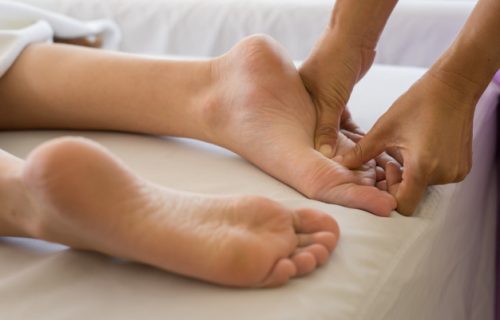
Diabetic neuropathy is one of the most common and disabling chronic complications of Diabetes Mellitus, resulting from prolonged hyperglycemia-induced damage to peripheral nerves and the microvasculature supplying them. Chronic elevation of blood glucose levels leads to metabolic and vascular changes including oxidative stress, impaired nerve blood flow, inflammation, and gradual degeneration of nerve fibers. The condition can significantly affect quality of life and functional independence if left untreated.
Diabetic neuropathy may involve different parts of the nervous system and is broadly classified into peripheral neuropathy and autonomic neuropathy. Peripheral neuropathy affects the sensory and motor nerves, particularly in the lower limbs, while autonomic neuropathy involves the autonomic nervous system controlling functions such as heart rate, blood pressure, digestion, sweating, bladder function, and sexual health.
In Ayurveda, diabetic neuropathy is understood as a complication of Madhumeha associated predominantly with aggravated Vata dosha, tissue depletion (Dhatu Kshaya), impaired nourishment, and derangement of body channels (Srotodushti).
01Distal Symmetrical Sensorimotor Polyneuropathy (DSPN)
The most common form of diabetic neuropathy is Distal Symmetrical Sensorimotor Polyneuropathy (DSPN), a length-dependent neuropathy that typically affects both feet symmetrically and gradually progresses upward. DSPN primarily involves sensory nerves initially, followed by motor nerve involvement in advanced stages. Patients commonly present with burning sensation in the feet, numbness, tingling, pricking pain, electric shock-like sensations, pins-and-needles feeling, increased sensitivity to touch, nocturnal pain, muscle cramps, weakness, heaviness of legs, imbalance while walking, and reduced sensation to vibration, temperature, or touch. In severe cases, loss of protective sensation can predispose patients to foot ulcers, infections, gait disturbances, and diabetic foot complications.
02Peripheral Neuropathy
Peripheral neuropathy refers to a disorder resulting from damage or dysfunction of the peripheral nervous system, which comprises the nerves outside the brain and spinal cord. These peripheral nerves are responsible for transmitting sensory, motor, and autonomic signals between the central nervous system and various parts of the body. Damage to these nerves can interfere with normal nerve conduction and significantly affect sensation, movement, muscle function, circulation, and autonomic regulation.
There are multiple causes of peripheral neuropathy, with Diabetes Mellitus being one of the most common worldwide. Other causes include chronic alcohol consumption, nutritional deficiencies (especially Vitamin B12 deficiency), autoimmune disorders, infections, thyroid dysfunction, kidney disease, toxic exposure, certain medications, metabolic disorders, vascular insufficiency, trauma, hereditary neuropathies, and chronic inflammatory conditions.
Common sensory symptoms include burning sensation, numbness, tingling, pins-and-needles sensation, pricking pain, electric shock-like sensations, hypersensitivity, reduced sensation to touch or temperature, and loss of vibration perception. Motor nerve involvement may lead to muscle weakness, cramps, heaviness of limbs, reduced coordination, muscle wasting, gait imbalance, and difficulty walking.
03Autonomic Neuropathy
Autonomic neuropathy is a serious form of nerve damage affecting the autonomic nervous system, the part of the nervous system responsible for regulating involuntary bodily functions such as heart rate, blood pressure, digestion, sweating, breathing, bladder control, bowel movements, temperature regulation, and sexual function. Damage to these autonomic nerves disrupts normal organ function and can lead to a wide range of systemic symptoms.
Cardiovascular autonomic neuropathy can present with resting tachycardia, exercise intolerance, dizziness, palpitations, and orthostatic hypotension. Gastrointestinal involvement may lead to bloating, nausea, early satiety, constipation, diarrhea, or delayed gastric emptying (gastroparesis). Genitourinary symptoms may include urinary retention, incomplete bladder emptying, recurrent urinary infections, and sexual dysfunction.
04Radiculoplexus Neuropathy
Radiculoplexus neuropathy is a complex and often painful neuropathic disorder involving inflammation and dysfunction of nerve roots, nerve plexuses, and peripheral nerves. It commonly affects the lumbosacral or cervical nerve plexus and is characterized by sudden onset of severe pain followed by progressive muscle weakness, sensory disturbances, and functional impairment. The condition is most frequently associated with Diabetes Mellitus and is often referred to as Diabetic Lumbosacral Radiculoplexus Neuropathy or diabetic amyotrophy when involving the lower limbs.
Patients commonly present with sudden severe burning, aching, stabbing, or deep radiating pain in the hip, thigh, buttock, lower back, shoulder, or arm region, often followed by progressive muscle weakness, muscle wasting, reduced reflexes, gait instability, and impaired limb function.
05Mononeuropathy
Mononeuropathy refers to dysfunction or damage involving a single peripheral nerve, resulting in localized sensory, motor, or autonomic symptoms in the area supplied by that nerve. Common forms include facial nerve palsy, oculomotor nerve palsy, median nerve involvement such as carpal tunnel syndrome, ulnar neuropathy, radial neuropathy, femoral neuropathy, and peroneal nerve palsy. Symptoms depend on the specific nerve involved and may develop suddenly or progressively, including sharp or burning localized pain, numbness, tingling, weakness, reduced grip strength, and altered sensation.
06Our Legacy of Trusted Neuropathy Care
Diabetic neuropathy management is one of the core areas of specialization at Rishi Ayurveda Hospital & Research Centre, where decades of clinical expertise, authentic Ayurvedic wisdom, advanced diagnostics, and research-oriented treatment protocols come together to provide comprehensive nerve care. With a deep understanding of both the metabolic and neurological aspects of diabetic complications, our institution has developed a highly specialized and integrative Ayurvedic approach focused on restoring nerve health, improving circulation, reducing neuropathic symptoms, enhancing functional recovery, and improving overall quality of life.
A major highlight of our neuropathy program is the use of specially formulated medicated oils developed through traditional Ayurvedic knowledge and extensive clinical experience. These therapeutic oil applications and neuromuscular treatments are designed to deeply nourish muscles and peripheral nerves, improve microcirculation, support axonal regeneration, promote remyelination, enhance synaptic plasticity, and stimulate neurotrophic mechanisms including Neurotrophin-3 activity associated with nerve repair and functional recovery.
Our experienced Ayurvedic physicians and trained therapists closely monitor every patient throughout the treatment course, ensuring precision-based and patient-centered care. Structured diabetic dietary guidance, therapeutic exercise, rehabilitative support, stress reduction, sleep optimization, and lifestyle correction form integral components of our comprehensive neuropathy management programs.
07Advanced Diagnostic Facilities
Unlike many conventional Ayurvedic centers, Rishi Ayurveda Hospital & Research Centre is equipped with advanced diagnostic facilities that enable objective assessment of disease severity, progression, and treatment outcomes:
- VPT (Vibration Perception Threshold): Assessment and grading of sensory neuropathy.
- PPG (Photoplethysmography): Evaluation of peripheral microcapillary circulation and vascular status.
- CAN (Cardiac Autonomic Neuropathy Testing): Assessment of autonomic nervous system involvement in diabetic patients.
- Orthostatic Hypotension Assessment: Evaluation of postural blood pressure regulation and autonomic dysfunction.
- HCP (Hot & Cold Perception Testing): Measurement of thermal sensory function and small fiber nerve involvement.
Free enquiry
Have questions about Diabetic Neuropathy?
Share your concern and our Ayurvedic specialists will get back to you with a personalised treatment plan — usually the same day.